Scott 3200A Tailwheel – Fully Rebuilt: Professional Replacement for Compatible Aircraft
Scott 3200A Tailwheel – Fully Rebuilt: Professional Replacement for Compatible Aircraft
Blog Article
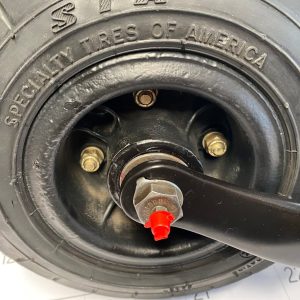
The Scott 3200A Tailwheel – Fully Rebuilt combines an established aviation design with inspected, serviced, adjusted, and replaced components intended to restore dependable mechanical operation. A fully rebuilt description should identify which bearings, bushings, springs, steering components, seals, fasteners, wheel parts, and wear items were replaced or retained.
A correctly rebuilt Scott 3200A Tailwheel Assembly can support predictable steering when installed and adjusted properly on a compatible aircraft. The actual condition of a Scott Tailwheel Assembly should be determined through appropriate inspection rather than cosmetic appearance alone.
The Aircraft Tailwheel Assembly should remain properly aligned, lubricated, secured, adjusted, and compatible with the complete aircraft steering system. The General Aviation Tailwheel should be selected according to aircraft weight, tail load, wheel size, spring arrangement, steering configuration, runway environment, and installation requirements.
Whether buyers need an Aircraft Tailwheel, Taildragger Tailwheel, or complete Aviation Tailwheel System, model identification and rebuild details should be verified.
Key Benefits of a Rebuilt Scott 3200A
The Scott 3200A is designed to provide tail support, wheel rotation, steering response, and controlled swiveling for compatible conventional-gear aircraft. Poor ground handling can result from issues outside the tailwheel, including incorrect chain tension, fatigued springs, loose mounting hardware, bent tail springs, or misalignment.
Choosing a Scott 3200A Tailwheel Assembly
Actual operation depends on the complete aircraft installation rather than the tailwheel assembly alone. A rebuilt unit may include inspected housings, renewed bearings, replacement bushings, serviced steering components, fresh lubrication, suitable hardware, and adjusted internal parts.
Scott Tailwheel Assembly Rebuild Process
The rebuilder should evaluate corrosion, cracking, bearing condition, spring strength, steering engagement, axle wear, bushing clearance, and fastener serviceability. A freshly painted assembly may still contain worn bearings, weak springs, excessive clearances, or damaged steering components when no true rebuild was completed.
Choosing an Aircraft Tailwheel Assembly
The assembly should move freely enough for intended operation while avoiding uncontrolled swivel or excessive looseness. The entire installation should be reviewed whenever a rebuilt tailwheel is fitted.
Benefits of a General Aviation Tailwheel
Each operating environment places different demands on the tire, wheel, fork, bearings, steering mechanism, hardware, and lubrication. Professional verification helps prevent unsuitable installation and unnecessary project expense.
Choosing an Aircraft Tailwheel
The tailwheel contributes to directional control as the aircraft transitions between stationary, taxi, acceleration, deceleration, and landing rollout. A serviceable tire-and-wheel arrangement supports the work completed within the steering mechanism.
Choosing a Taildragger Tailwheel
Taildragger pilots coordinate rudder, brakes, power, and tailwheel input to maintain ground stability. Responsible operation can extend Taildragger Tailwheel service life.
Maintaining an Aviation Tailwheel System
A complete inspection helps avoid unnecessary replacement and repeated troubleshooting. Left and right steering connections should be inspected for matching condition and correct installation.
Tailwheel Steering Assembly Performance
A professional rebuild should address the complete Tailwheel Steering Assembly rather than only visible exterior parts. Correct check here clearance prevents binding and unnecessary mechanical loading.
Aircraft Ground Handling Tailwheel
A correctly adjusted tailwheel may support smoother maneuvering without excessive brake use. Towing should use appropriate equipment and procedures that avoid overloading steering arms, chains, springs, forks, or mounting structures.
Benefits of the Scott 3200 Series Tailwheel
Historical popularity does not remove the need for exact aircraft compatibility and installation verification. Model identification should be supported through reliable references and qualified review.
Rugged Tailwheel Performance
The tailwheel should match the aircraft’s suitable configuration, tail load, geometry, and operating environment rather than being selected from appearance alone. Durability depends on structural condition, bearing service, steering-spring integrity, wheel alignment, lubrication, tire condition, and correct installation.
Maintaining Tailwheel Components
Visually similar hardware can differ in dimensions, material, strength, finish, or mechanical fit. Small wear items can have a significant influence on steering performance and service life.
Aircraft Steering Tailwheel Performance
Alignment and steering-link condition influence how accurately the wheel follows pilot input. A complete review supports reliable Aircraft Steering Tailwheel performance.
Installing a Replacement Aircraft Tailwheel
A Replacement Aircraft Tailwheel should be selected through exact aircraft application, mounting details, tail-spring configuration, steering arrangement, and suitable technical information. The unit should not be installed solely because it appears clean or freshly refinished.
General Aviation Landing Gear Parts
Each component contributes to aircraft support, ground control, steering, braking, or load absorption. The product description should explain whether components are rebuilt, repaired, serviced, inspected, untested, or sold for parts.
Scott 3200A Pre-Purchase Inspection
A detailed inspection reduces uncertainty and supports a more informed transaction.
- Request photographs of the front, rear, sides, wheel, fork, steering arms, mounting area, identification marks, and loose components.
- Confirm whether retained components passed inspection and whether replacement parts were appropriate for the assembly.
- Report missing parts, shipping damage, rough operation, identification discrepancies, or incomplete documentation according to the agreed terms.
Scott 3200A Tailwheel Installation Guide
Installation should be completed by appropriately qualified personnel familiar with conventional-gear aircraft and mechanical tailwheel steering systems. Swivel engagement, release, centering, and directional action should operate consistently.
A post-installation inspection can confirm hardware security and reveal early movement marks.
Maintaining the Scott 3200A Tailwheel
Consistent servicing protects the value of the Scott 3200A Tailwheel – Fully Rebuilt. The tailwheel should not be ignored simply because it is positioned behind the pilot’s normal field of view.
Hardware and moving areas should remain visible enough for inspection.
Scott 3200A Tailwheel Conclusion
The Scott 3200A Tailwheel – Fully Rebuilt can provide a dependable replacement option for compatible aircraft when its rebuild quality, condition, configuration, and documentation are verified. A qualified aircraft maintenance professional should evaluate the complete installation before the tailwheel is returned to operational service.
Whether operators are sourcing an Aircraft Steering Tailwheel, Replacement Aircraft Tailwheel, or General Aviation Landing Gear Parts, complete condition information supports informed decisions. With qualified evaluation and continued care, the Scott 3200A Tailwheel – Fully Rebuilt can deliver a professional combination of durability, directional control, and reliable aircraft ground performance.
Report this page